There was a time when asphalt felt like the default answer for almost every driveway. It was cheap. it was familiar. and it got the job done without anyone really questioning whether something better existed. These days more homeowners are taking a second look at their options before committing to a material that will sit outside their front door for the next couple of decades. The shift toward Resin Driveways Swansea has been hard to ignore lately. and once you start comparing the two materials side by side. it becomes pretty clear why so many people are choosing to walk away from asphalt altogether.
Asphalt still has its place. and plenty of driveways built decades ago with the material are still functioning today. but functioning is not the same as performing well. Cracks. fading. potholes. and that unmistakable smell on a hot summer afternoon are all part of the asphalt experience whether anyone wants them or not. Resin brings a different set of qualities to the table entirely. and for a growing number of homeowners those qualities are turning out to matter quite a lot.
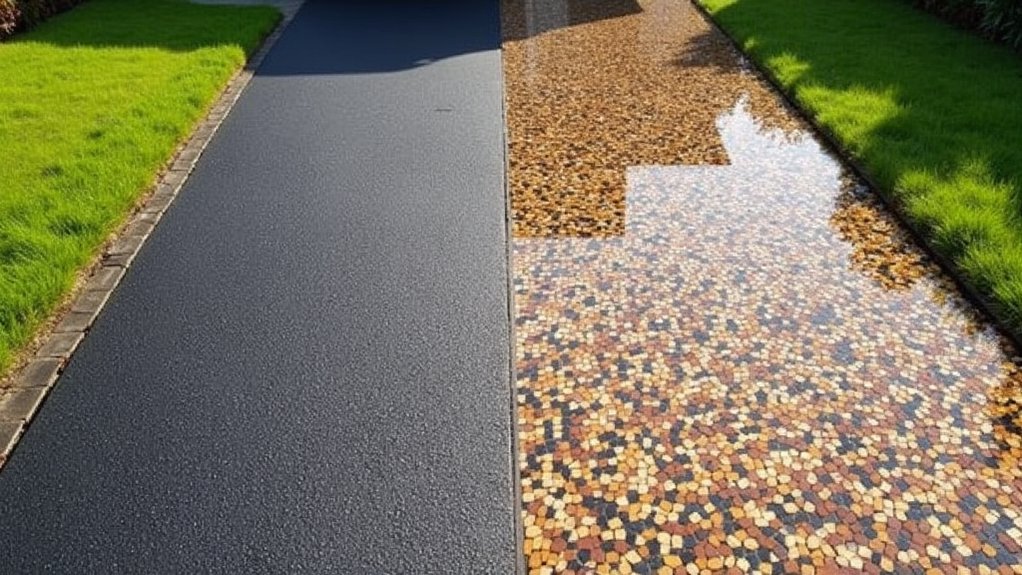
How Does the Appearance of Resin Compare to Asphalt?
Asphalt comes in basically one look. that familiar flat black or dark grey surface that has covered roads and driveways for generations. There is nothing wrong with that look exactly. but it does not offer much room for personalization or character. Most asphalt driveways end up looking identical to the one next door and the one after that.
Resin opens up a completely different set of possibilities. The aggregate mixed into the resin can be chosen in a wide range of colors and textures. allowing homeowners to match their driveway to the brickwork of their house or simply pick something that feels more personal than plain black tarmac. This flexibility alone has convinced a fair number of people to switch over. since a driveway is one of the first things anyone notices about a property and a unique finish genuinely changes that first impression.
Which Surface Holds Up Better Against Weather Damage?
Asphalt has a frustrating relationship with temperature swings. Hot weather can soften it slightly. sometimes leaving tire marks or shallow indentations where a car sits parked for long periods. Cold weather brings the opposite problem. as the material becomes brittle and prone to cracking once moisture seeps into tiny gaps and freezes solid. This freeze thaw cycle is one of the most common reasons asphalt driveways start falling apart within just a handful of years.
Resin behaves quite differently under the same conditions. The mixture is naturally more flexible and resistant to the kind of cracking that plagues asphalt during cold spells. It also handles heat without softening or developing the same indentations that asphalt struggles with during a long hot summer. Homeowners who have dealt with repairing asphalt cracks year after year often describe switching to resin as a genuine relief once they no longer have to think about seasonal damage every few months.
Does Resin Offer Better Drainage Than Asphalt?
Drainage is one area where resin pulls noticeably ahead. Asphalt is essentially a solid. non porous surface. which means rainwater has nowhere to go except across the surface and into drains or gutters. During heavy rainfall this can lead to puddling. standing water near the edges of the driveway. and even minor flooding issues close to the house if the drainage system cannot keep up.
Resin bound surfaces are typically porous by design. allowing water to pass straight through the material and into the ground below rather than sitting on top. This not only reduces puddling but also helps homeowners stay compliant with drainage regulations that have become stricter in many areas over recent years. Choosing Resin Driveways Swansea installers often point to this drainage advantage as one of the biggest reasons clients make the switch. especially in regions that see frequent rainfall throughout the year.
How Do Maintenance Requirements Compare Between the Two?
Asphalt demands a fair amount of upkeep to stay looking decent. Sealing every couple of years helps protect against water damage and UV exposure. but skipping this maintenance speeds up cracking and fading considerably. Potholes need patching as soon as they appear. since ignoring them allows water to get underneath and cause even more damage to the surrounding area.
Resin asks for far less ongoing attention once it has been properly installed. Occasional cleaning to remove debris or moss keeps it looking fresh. but there is no need for regular sealing or patching the way asphalt requires. This lower maintenance burden appeals strongly to homeowners who would rather spend their weekends doing something other than touching up cracks and reapplying sealant on a driveway that should not need that much fuss in the first place.
Is Resin More Durable Than Asphalt Over Time?
Durability is often where the real difference between these two materials becomes obvious. A typical asphalt driveway might last somewhere between fifteen and twenty years with regular maintenance. but that lifespan shrinks considerably if upkeep gets neglected even slightly. Cracks spread. potholes deepen. and eventually the whole surface needs to be ripped out and replaced.
Resin driveways frequently outlast asphalt by a noticeable margin. often pushing past twenty years without the same level of visible deterioration. The material resists the kind of gradual breakdown that affects asphalt. partly because of its flexibility and partly because of how it handles water and temperature changes so much better. For homeowners thinking long term rather than just looking at the upfront cost. this durability difference often tips the decision firmly in resin’s favor.
What About Installation Time and Disruption?
Asphalt installation typically requires specialized heavy machinery and a curing period before the surface can handle vehicle traffic. This process can take several days depending on weather conditions and the size of the driveway involved. and homeowners often need to plan around not using their driveway during this window.
Resin installation tends to move a bit faster in most cases. since the material cures more quickly and does not require the same heavy equipment that asphalt laying demands. Many homeowners exploring Resin Driveways Swansea options appreciate this shorter disruption window. especially when juggling work schedules or trying to avoid parking headaches while construction is underway. Less downtime during installation makes the whole process noticeably less stressful from start to finish.
Does Cost Make a Real Difference Between the Two Materials?
Asphalt typically wins on upfront cost. and that price difference is part of why it remained the default choice for so long. Resin generally costs more to install initially. due to the materials involved and the more detailed installation process required to get a quality finish.
That said. the long term picture tells a different story once maintenance and lifespan get factored into the equation. Asphalt’s need for regular sealing. frequent patching. and eventual full replacement adds up over the years in a way that often closes the gap between the two materials considerably. Many homeowners find that resin ends up being the more economical choice once they look past the initial price tag and consider what they will actually spend over the next two decades.
Final Thoughts
Asphalt has served homeowners reliably for generations. but reliability alone is not enough to keep it at the top of the list anymore. Resin offers better drainage. stronger resistance to weather damage. lower maintenance demands. and a level of visual flexibility that asphalt simply cannot match. While the upfront cost runs a bit higher. the long term value and reduced hassle make resin an increasingly popular choice for homeowners who want a driveway that performs well for decades rather than just looking acceptable for the first few years.
FAQS
How long does a resin driveway typically last compared to asphalt?
Resin driveways often last over twenty years with minimal maintenance. while asphalt typically needs significant repair or replacement somewhere between fifteen and twenty years.
Is resin more slippery than asphalt during wet weather?
No. resin bound surfaces are actually designed with texture that provides good grip. often performing better than asphalt during rain due to superior drainage properties.
Can resin be installed over an existing asphalt or concrete driveway?
In many cases yes. provided the existing surface is structurally sound and properly prepared before the resin layer gets applied on top.
Does resin fade in color over time the way asphalt does?
Quality resin installations using UV stable resins resist fading much better than asphalt. though some very slight color change can occur after many years of sun exposure.
Is resin a good choice for driveways with heavy vehicle traffic?Yes in most cases. though the base preparation underneath needs to be done thoroughly to ensure the surface can handle consistent heavy weight over time.