Anyone who has lived through a disappointing paint job knows the specific kind of frustration that comes with watching a freshly painted wall start peeling within months. or noticing brush strokes that catch the light at exactly the wrong angle every evening. These problems rarely come down to bad luck. they usually trace back to rushed preparation. inexperienced hands. or a contractor who simply did not understand the specific demands of the property they were working on. Painting and decorating Swiss cottage homeowners experience through skilled local professionals tends to look and feel noticeably different from work completed by someone unfamiliar with the area or cutting corners to finish faster. and figuring out exactly what separates the better results from the disappointing ones makes a real difference before hiring anyone for a project.
Quality in this trade is not always obvious at first glance. A poorly prepared wall can look perfectly fine on the day the paint dries. only to reveal its flaws weeks or months later once the finish starts cracking or peeling away. Understanding what actually goes into superior decorating work helps homeowners ask the right questions and recognize genuine skill rather than judging solely on a quote price or how quickly someone promises to finish the job.
Why Does Surface Preparation Separate Good Work From Great Work?
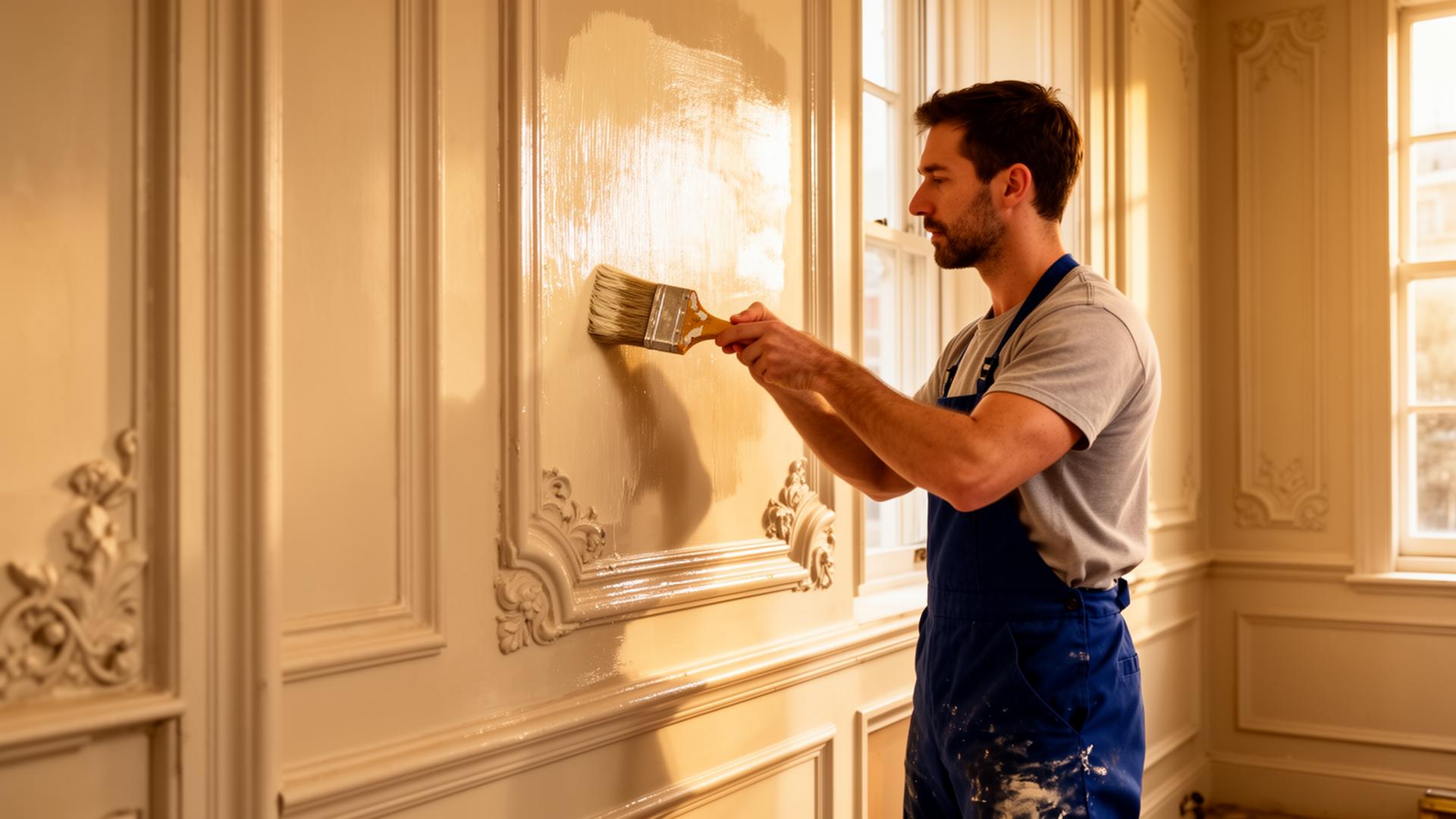
Preparation is the unglamorous part of decorating that nobody really talks about. yet it determines almost everything about how long a finished job actually lasts. Walls need thorough cleaning to remove dust. grease. and grime before any paint goes anywhere near the surface. Cracks and holes require proper filling and sanding. and skipping or rushing this stage is one of the most common reasons a paint job starts looking tired far sooner than it should.
Better decorators treat preparation as seriously as the painting itself. taking the time to address every imperfection rather than simply painting over problems and hoping nobody notices. This thoroughness costs more time upfront. but it pays off considerably in how long the finished work continues looking sharp. A wall properly prepared before painting can hold its appearance for years longer than one where corners were cut to save a few hours during the initial stages.
How Does Local Experience Improve the Quality of Decorating Work?
Properties throughout any given area often share certain architectural quirks and construction styles that affect how decorating work should be approached. Older buildings might feature original plaster requiring gentler handling compared to modern plasterboard. while damp issues common in certain housing types call for specific treatments before any paint application even begins. Decorators who have worked extensively within a particular area develop a genuine feel for these local characteristics that someone unfamiliar with the housing stock might overlook.
This local familiarity extends to understanding which paint products and techniques hold up best given the specific climate conditions an area experiences throughout the year. Professionals offering painting and decorating Swiss cottage residents trust regularly draw on this accumulated knowledge to recommend approaches genuinely suited to the properties they work on. rather than applying a generic method that might technically work but does not account for the specific challenges local homes present.
What Difference Does Paint Quality and Product Selection Make?
Not all paint performs equally. despite what budget options on a hardware store shelf might suggest at first glance. Higher quality paints typically offer better coverage. requiring fewer coats to achieve a solid. even finish. They also tend to resist fading. cracking. and staining far better over time compared to cheaper alternatives that might look fine initially but deteriorate noticeably faster under normal everyday wear.
Skilled decorators understand which products genuinely perform well for specific situations. recommending washable finishes for high traffic areas like hallways and kitchens. while suggesting different options for bedrooms or formal living spaces where durability demands differ slightly. This product knowledge. combined with proper application technique. plays a significant role in how long a finished decorating job continues looking fresh before needing attention again.
How Does Attention to Detail Affect the Final Appearance of a Room?
Small details accumulate into a noticeably better or worse overall result. Clean. sharp lines where one color meets another. consistent coverage without patchy areas or visible brush marks. and properly addressed corners and edges all contribute to a finish that looks genuinely professional rather than hastily completed. These details rarely get noticed individually. but their absence becomes obvious the moment something looks slightly off without an immediately apparent reason why.
Experienced decorators develop techniques specifically aimed at achieving this kind of precision. using proper masking methods. quality brushes and rollers suited to the specific task. and a steady. practiced hand that comes only from years of repeated practice. This attention to detail is often what separates work that looks merely acceptable from work that genuinely elevates how a room feels once the project wraps up completely.
Why Does Communication Matter Throughout a Decorating Project?
Clear communication from the very start of a project prevents misunderstandings that can derail an otherwise smooth decorating experience. Discussing exact color choices. finish types. and timeline expectations upfront helps avoid the disappointment of a finished result that does not match what a homeowner actually envisioned during the planning stages. Better decorators take the time to walk through these details thoroughly before any work begins.
Ongoing communication throughout the project matters just as much. Updates about progress. heads up regarding any unexpected issues discovered during preparation. and willingness to address concerns as they arise all contribute to a far smoother overall experience. Homeowners researching painting and decorating Swiss cottage providers often find that the businesses with the strongest reputations consistently emphasize this kind of transparent communication as part of how they operate.
Does Cleanliness During the Job Reflect Overall Professionalism?
How a decorator treats a home during the actual work process says a lot about their overall standard of professionalism. Proper masking of furniture. floors. and fixtures protects a home from accidental paint splatter or damage during the project. Daily cleanup. rather than leaving mess to accumulate across multiple days. shows respect for the homeowner’s living space and demonstrates genuine care about the overall experience beyond just the finished paint job itself.
This level of care often correlates directly with the quality of the actual painting work being delivered. A decorator who takes shortcuts with cleanliness and protection of the property is statistically more likely to take similar shortcuts with preparation and application technique. Homeowners who notice careless habits during the early stages of a project often find these concerns reflected in the final quality of the finished result as well.
How Important Is Proper Drying and Curing Time Between Coats?
Rushing through multiple coats without allowing adequate drying time between each application is one of the more common mistakes that leads to disappointing results. Paint needs sufficient time to properly cure before a second coat goes on top. and skipping this step often results in a finish that looks streaky. uneven. or prone to early peeling once fully dried.
Better decorators factor proper drying time into their project schedule from the outset. rather than rushing to finish faster at the expense of quality. This patience during the application process. though it might extend the overall project timeline slightly. results in a noticeably more durable and visually consistent finish that holds up far better over the months and years following the actual painting work.
Final Thoughts
The difference between disappointing decorating work and genuinely excellent results comes down to a combination of thorough preparation. quality materials. local expertise. and consistent attention to detail throughout every stage of a project. Skilled professionals understand that rushing any of these elements ultimately compromises the finished result. even if it is not immediately obvious on the day the work wraps up. Homeowners who prioritize these factors when choosing who to hire tend to end up with decorating work that genuinely lasts. rather than needing attention again within just a year or two of completion.
FAQS
How can I tell if a decorator has properly prepared a wall before painting?
Ask specifically about their preparation process. including filling. sanding. and cleaning steps. and request examples of previous work to assess the quality of their finishes.
Does using more expensive paint always guarantee a better result?
Higher quality paint generally performs better. but proper application technique and preparation matter just as much. since even premium paint applied poorly will not produce great results.
How long should I wait between coats of paint during a decorating project?
Drying times vary by product. but most paints require several hours between coats. and a skilled decorator will always factor this into the overall project schedule accordingly.
Should furniture be removed entirely before decorating work begins?
Moving furniture away from walls and covering remaining items helps protect your belongings. though most decorators are happy to assist with larger pieces if needed.
How do I know if a decorator is genuinely experienced with local properties?
Asking for examples of previous work completed nearby and checking references from local customers provides good insight into their familiarity with the area’s specific housing styles.