Theft is a growing concern for businesses of all sizes, from retail stores and warehouses to shopping centres and commercial properties. Beyond financial losses, theft can disrupt daily operations, affect employee morale, and reduce customer confidence. One effective way to minimize these risks is by using Loss Prevention Officers Vancouver businesses rely on to deter theft, identify suspicious behaviour, and support a secure environment.
Understanding the Role of Loss Prevention Officers
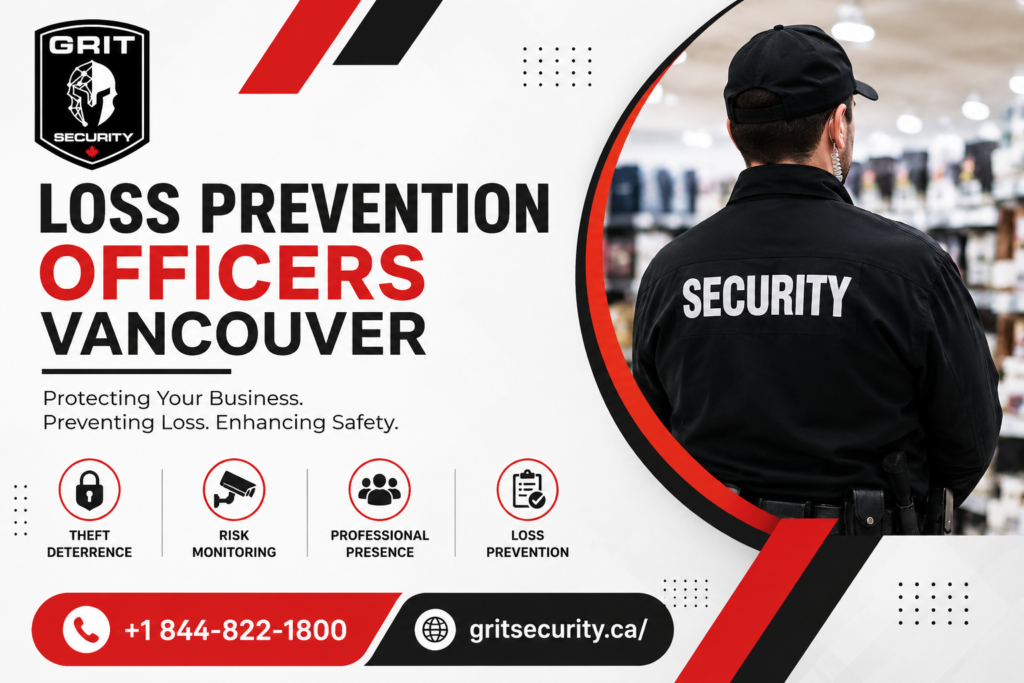
Loss prevention officers focus on preventing financial and property losses before they occur. Unlike traditional security personnel who may primarily monitor entrances or respond to incidents, loss prevention officers often take a proactive approach by identifying suspicious behavior, investigating potential risks, and supporting internal security procedures.
Their responsibilities can vary depending on the industry and location, but commonly include:
- Monitoring customer and employee activity
- Identifying theft, fraud, and policy violations
- Conducting surveillance and inspections
- Preparing incident reports
- Assisting with investigations
- Supporting emergency response procedures
- Working with management to improve security measures
These duties help businesses reduce losses while maintaining a safe and professional environment.
Why Businesses Need Loss Prevention Officers
Loss-related incidents can occur in almost any industry. Retail stores may experience shoplifting, warehouses may face inventory theft, and office buildings can encounter unauthorized access or property damage.
Loss Prevention Officers Vancouver organizations employ help address these challenges through consistent monitoring and risk assessment. Their presence can discourage criminal activity while helping businesses detect vulnerabilities before they become larger problems.
Some of the key reasons businesses invest in loss prevention services include:
Reducing Theft and Shrinkage
Inventory shrinkage remains a significant concern for many businesses. Loss prevention officers help monitor high-risk areas, identify suspicious behavior, and support investigations when incidents occur. This proactive approach can help reduce financial losses over time.
Supporting Employee Safety
Security concerns are not limited to merchandise or equipment. Employees also benefit from a safer work environment. Loss prevention officers can help identify safety risks, respond to incidents, and support workplace security policies.
Enhancing Operational Awareness
Regular monitoring provides valuable insights into daily operations. Officers may identify security gaps, procedural weaknesses, or recurring incidents that management can address to improve overall security.
Industries That Benefit from Loss Prevention Services
Loss prevention strategies are valuable across multiple sectors. Different industries face unique challenges, but the goal remains the same: reducing losses and improving security.
Retail Stores
Retail environments are among the most common locations for loss prevention operations. Officers help monitor customer activity, deter shoplifting, and assist with investigations involving theft or fraud.
Warehouses and Distribution Centers
Large inventories and constant movement of goods can create opportunities for theft and inventory discrepancies. Loss prevention officers help monitor operations and support inventory protection efforts.
Shopping Centres
Busy shopping centres often experience high foot traffic, making surveillance and monitoring essential. Loss prevention personnel can assist with identifying suspicious activities and responding to security concerns.
Commercial Properties
Office buildings and commercial facilities can benefit from controlled access, visitor monitoring, and incident reporting. Loss prevention officers help support these security objectives while maintaining a professional environment.
Key Skills of Effective Loss Prevention Officers
Professional loss prevention officers require a combination of observation, communication, and problem-solving skills. Their effectiveness often depends on their ability to recognize unusual behavior and respond appropriately.
Important skills include:
- Strong attention to detail
- Situational awareness
- Report writing and documentation
- Conflict management
- Communication skills
- Knowledge of security procedures
- Ability to work under pressure
These capabilities allow officers to address risks while maintaining positive interactions with employees, customers, and visitors.
Technology and Modern Loss Prevention
Technology has become an important part of modern loss prevention programs. Many businesses combine physical security personnel with advanced tools to strengthen protection efforts.
Common technologies include:
- CCTV surveillance systems
- Access control systems
- Alarm monitoring
- Video analytics
- Inventory tracking systems
- Mobile reporting applications
When used together, technology and trained personnel can provide a more comprehensive approach to security and risk management.
Creating a Strong Loss Prevention Strategy
Effective loss prevention involves more than simply responding to incidents. Businesses benefit most when prevention measures are integrated into daily operations.
A strong strategy may include:
- Regular risk assessments
- Employee awareness training
- Security policy reviews
- Incident reporting procedures
- Surveillance and monitoring programs
- Ongoing evaluation of security measures
By combining these elements, organizations can create a proactive security culture that reduces vulnerabilities and supports long-term success.
Conclusion
Protecting assets, employees, and customers is a priority for businesses across many industries. Loss Prevention Officers Vancouver organizations rely on play an important role in reducing theft, identifying risks, and supporting safer operations. Through proactive monitoring, investigations, and security awareness, these professionals help businesses strengthen their overall protection strategies while minimizing potential losses.