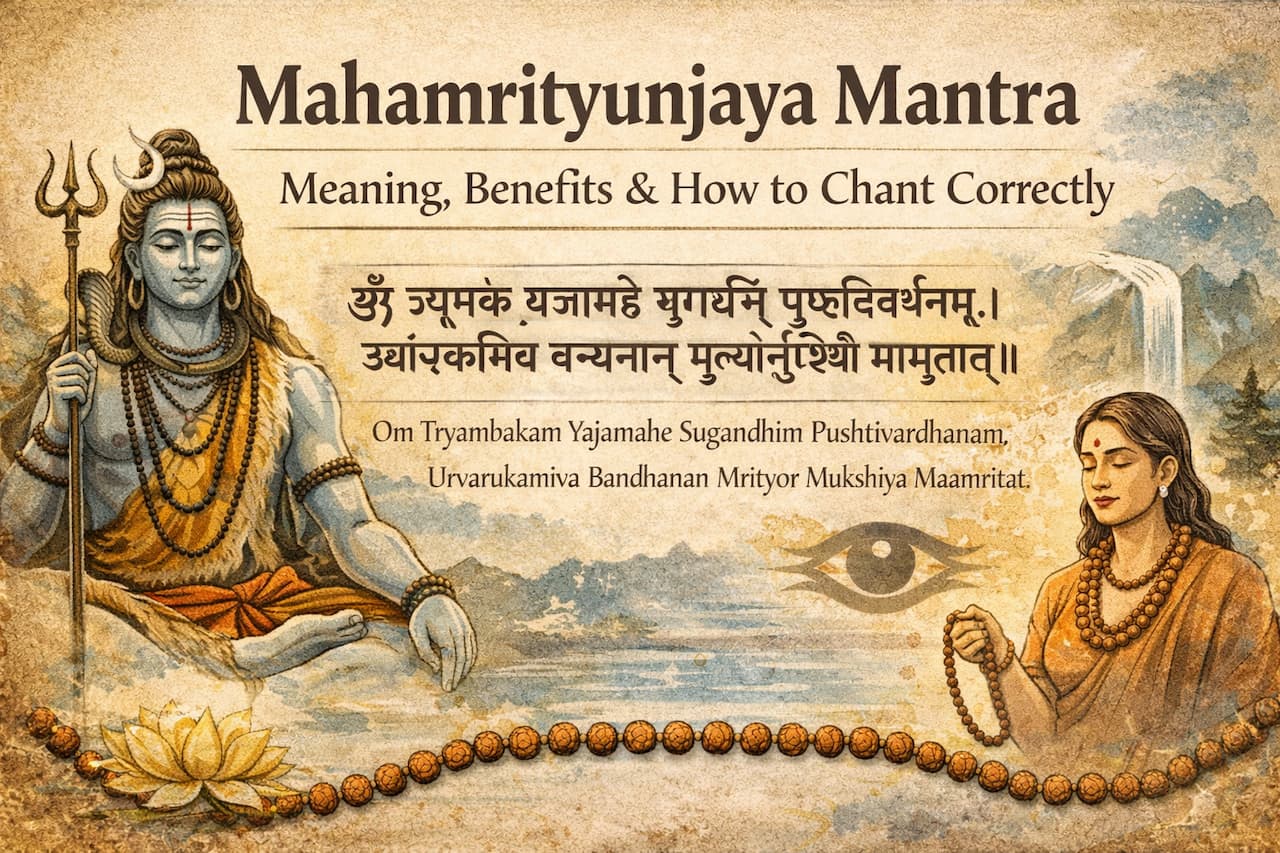
 Mahamrityunjay Mantra is one of the most powerful and spiritually uplifting mantras in Hinduism. Dedicated to Lord Shiva, this ancient Vedic chant has been recited for thousands of years by devotees seeking protection, healing, strength, and inner peace. Often referred to as the “Great Death-Conquering Mantra,” the Mahamrityunjay Mantra is much more than a prayer—it is a source of inspiration that helps people develop courage, resilience, and a positive outlook on life.
In a world filled with challenges, uncertainty, and constant change, many individuals seek ways to strengthen their minds and maintain emotional balance. The Mahamrityunjay Mantra offers timeless wisdom that remains relevant even today. Through regular chanting and sincere devotion, people can cultivate inner strength, overcome fear, and build a deeper connection with their spiritual selves.
This article explores the significance of the Mahamrityunjay Mantra, its meaning, benefits, and how it can become a powerful tool for strength, courage, and overall well-being.
What Is the Mahamrityunjay Mantra?
The Mahamrityunjay Mantra is an ancient Vedic prayer found in the Rig Veda. It is dedicated to Lord Shiva, who is worshipped as the destroyer of negativity and the symbol of transformation, wisdom, and spiritual liberation.
The mantra is:
Om Tryambakam Yajamahe Sugandhim Pushtivardhanam
Urvarukamiva Bandhanan Mrityor Mukshiya Maamritat
For centuries, this sacred chant has been used during prayers, meditation sessions, religious ceremonies, and personal spiritual practices.
The Mahamrityunjay Mantra is highly respected because it focuses on overcoming fear, strengthening the spirit, and embracing life with confidence and faith.
Understanding the Meaning of Mahamrityunjay Mantra
To fully appreciate the power of the Mahamrityunjay Mantra, it is important to understand its meaning.
A simple interpretation is:
“We worship Lord Shiva, the three-eyed one, who nourishes and sustains all life. May He free us from fear, suffering, and limitations, just as a ripe fruit naturally separates from its stem, and guide us toward peace, wisdom, and spiritual fulfillment.”
This prayer reflects the desire for freedom from negativity and the courage to face life’s challenges with faith and inner strength.
The mantra reminds us that true well-being comes not only from external success but also from inner peace and spiritual awareness.
Why Mahamrityunjay Mantra Is Known as the Great Death-Conquering Mantra
The name Mahamrityunjay consists of three Sanskrit words:
- Maha – Great
- Mrityu – Death
- Jaya – Victory
Together, the term means “Great Victory Over Death.”
However, the deeper meaning goes beyond physical death.
The Mahamrityunjay Mantra symbolizes victory over:
- Fear
- Anxiety
- Negativity
- Emotional suffering
- Limiting beliefs
- Spiritual ignorance
It teaches that by developing faith, wisdom, and self-awareness, individuals can overcome the obstacles that prevent them from living fully and peacefully.
The Story of Sage Markandeya
One of the most famous stories connected to the Mahamrityunjay Mantra is the legend of Sage Markandeya.
According to Hindu tradition, Markandeya was destined to die at a young age. Despite knowing his fate, he remained devoted to Lord Shiva and continuously chanted the Mahamrityunjay Mantra with complete faith.
When the appointed time arrived, Lord Shiva appeared and protected him from Yama, the god of death.
As a result, Markandeya was blessed with a long life and became a symbol of unwavering devotion and spiritual courage.
This story highlights the importance of faith, resilience, and trust in divine guidance.
How Mahamrityunjay Mantra Builds Inner Strength
Encourages Mental Resilience
Life often presents challenges that test our patience and determination.
The Mahamrityunjay Mantra helps strengthen the mind by encouraging focus, positivity, and emotional balance.
Regular chanting teaches individuals to remain calm and centered even during difficult situations.
Promotes Self-Confidence
Fear and self-doubt can prevent people from reaching their full potential.
The Mahamrityunjay Mantra inspires confidence by reminding practitioners that they possess inner strength and spiritual support.
This confidence can positively influence personal, professional, and spiritual growth.
Develops Emotional Stability
Emotional ups and downs are a natural part of life.
Through regular practice, the Mahamrityunjay Mantra helps individuals respond to situations more thoughtfully rather than reacting impulsively.
This emotional stability contributes to healthier relationships and better decision-making.
Mahamrityunjay Mantra and Courage
Overcoming Fear
Fear is one of the greatest obstacles to happiness and progress.
The Mahamrityunjay Mantra teaches that fear can be transformed through faith and awareness.
Many practitioners find that regular chanting helps reduce anxiety and creates a greater sense of security.
Facing Life’s Challenges
Every person encounters setbacks, uncertainties, and difficult situations.
The Mahamrityunjay Mantra encourages individuals to face these challenges with courage and trust rather than worry and despair.
Encouraging Positive Action
Courage is not the absence of fear but the willingness to act despite it.
The mantra inspires practitioners to move forward confidently while maintaining faith in the journey ahead.
Mahamrityunjay Mantra for Overall Well-Being
Mental Well-Being
Regular chanting can support mental wellness by:
- Reducing stress
- Improving concentration
- Encouraging mindfulness
- Promoting emotional balance
- Enhancing mental clarity
Emotional Well-Being
The Mahamrityunjay Mantra helps:
- Reduce negative thinking
- Build emotional resilience
- Increase patience
- Encourage optimism
- Improve self-awareness
Spiritual Well-Being
Many devotees experience:
- Greater inner peace
- Stronger devotion
- Deeper meditation
- Increased spiritual awareness
- A closer connection with Lord Shiva
The Role of Sound Vibrations
Ancient spiritual traditions place great importance on the power of sound.
The Mahamrityunjay Mantra is believed to create positive vibrations that influence both the mind and emotions.
The rhythmic repetition of sacred sounds helps quiet mental distractions and promote a state of calm awareness.
This is one reason why many people feel relaxed and refreshed after chanting.
How to Chant Mahamrityunjay Mantra Correctly
Find a Quiet Space
Choose a peaceful environment where you can focus without interruptions.
Sit Comfortably
Maintain a relaxed posture with a straight spine.
You may sit on:
- A yoga mat
- A meditation cushion
- A chair
Take Deep Breaths
Before beginning, take a few slow breaths to calm your mind.
Chant Slowly and Clearly
Recite the Mahamrityunjay Mantra with attention and sincerity.
Avoid rushing through the words.
Focus on Meaning
Think about strength, courage, healing, and spiritual growth while chanting.
Practice Consistently
Daily practice often produces the most meaningful long-term benefits.
Best Time to Chant Mahamrityunjay Mantra
Although the mantra can be recited anytime, certain periods are considered especially auspicious.
Early Morning
The quiet hours before sunrise are ideal for meditation and spiritual activities.
Monday
Monday is dedicated to Lord Shiva and is considered particularly favorable for chanting.
During Meditation
Combining the Mahamrityunjay Mantra with meditation enhances concentration and spiritual awareness.
During Challenging Times
Many devotees chant the mantra during periods of stress, uncertainty, or emotional difficulty.
How Many Times Should You Chant?
Beginners may start with:
- 11 repetitions
- 21 repetitions
More experienced practitioners often chant:
- 51 repetitions
- 108 repetitions
The quality of attention and devotion is more important than the number itself.
Using a Rudraksha Mala
A Rudraksha mala is traditionally associated with Lord Shiva and is commonly used while chanting the Mahamrityunjay Mantra.
Benefits include:
- Improved concentration
- Easier counting
- Greater discipline
- Enhanced meditation
A mala is helpful but not required for effective practice.
Common Mistakes to Avoid
Chanting Without Focus
Mindful chanting creates a deeper spiritual experience.
Being Inconsistent
Regular practice is more effective than occasional long sessions.
Focusing Only on Results
The true value of the Mahamrityunjay Mantra lies in personal growth and spiritual development.
Ignoring the Meaning
Understanding the message behind the mantra strengthens its emotional and spiritual impact.
Incorporating Mahamrityunjay Mantra into Daily Life
You do not need a complex routine to benefit from this sacred chant.
Simple ways to practice include:
- Chanting in the morning
- Reciting before meditation
- Listening during relaxation
- Chanting before bedtime
- Including it in daily prayers
Even a few minutes each day can help cultivate strength, courage, and peace.
Why Mahamrityunjay Mantra Remains Relevant Today
Although the Mahamrityunjay Mantra is thousands of years old, its message remains deeply relevant in modern life.
People today continue to face:
- Stress
- Uncertainty
- Fear
- Emotional challenges
- Personal struggles
The mantra offers a timeless reminder that true strength comes from within and that faith, awareness, and resilience can help overcome life’s difficulties.
Its teachings inspire individuals to live with confidence, purpose, and inner harmony.
Conclusion
The Mahamrityunjay Mantra is a sacred chant that serves as a powerful source of strength, courage, and well-being. Through its profound meaning and spiritual vibrations, it helps individuals overcome fear, build resilience, and cultivate a deeper connection with Lord Shiva.
Whether you are seeking emotional balance, spiritual growth, or simply a greater sense of peace, the Mahamrityunjay Mantra offers valuable guidance and support. By making this ancient practice part of your daily routine, you can develop the confidence to face life’s challenges while nurturing a more positive, balanced, and fulfilling life.
For generations, devotees have turned to the Mahamrityunjay Mantra for inspiration and comfort. Its timeless wisdom continues to remind us that true well-being begins with inner strength, faith, and the courage to embrace life’s journey with an open heart.