Keeping a home cool in hot weather has become more expensive than ever. In cities with strong sunlight and high outdoor temperatures, air conditioners often run for long hours throughout the day. This leads to rising electricity bills, uneven indoor temperatures, and extra strain on cooling systems. Many homeowners are now looking for practical ways to reduce energy use without sacrificing comfort.
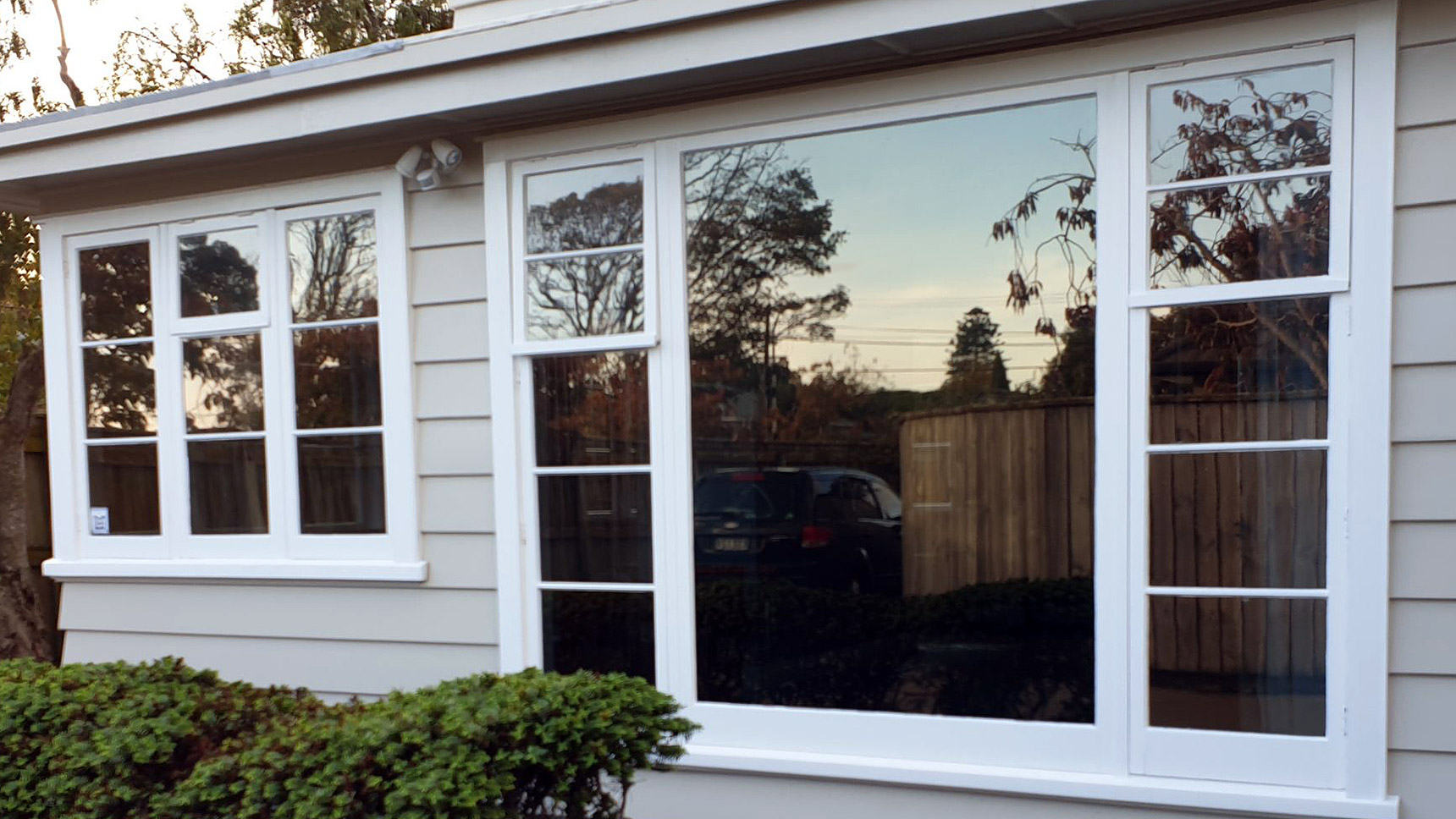
One of the most effective solutions is installing window tint for home applications on residential windows. Modern window films help reduce heat transfer, block harsh sunlight, and create a more energy efficient living space. Homeowners are increasingly turning to this solution because it offers long term savings while improving indoor comfort at the same time.
Why AC Costs Continue to Rise
Air conditioning systems work harder when sunlight enters through untreated windows. Large glass windows may look stylish, but they also allow significant solar heat to enter the home. During peak daytime hours, this heat buildup forces cooling systems to run continuously to maintain comfortable indoor temperatures.
Several factors contribute to higher AC costs:
Direct Sunlight Exposure
Windows facing the sun absorb and transfer heat indoors. Rooms with large glass surfaces often become hotter than the rest of the house, making the air conditioner work overtime.
Poor Energy Efficiency
Without proper insulation or heat reduction methods, cool air escapes while heat enters. This constant temperature imbalance increases electricity consumption.
Longer Cooling Cycles
When indoor temperatures rise quickly, air conditioners need more time to cool the space again. Longer operating hours naturally result in higher utility bills.
Seasonal Temperature Changes
In regions with extremely hot summers, cooling systems may operate almost nonstop for months. Over time, this leads to significant energy expenses and additional wear on AC units.
Because of these challenges, homeowners are exploring smarter and more affordable ways to improve energy efficiency.
Understanding How Window Tint Works
Window tint is a thin film applied to glass surfaces to reduce heat, glare, and UV radiation. Unlike heavy curtains or blinds that block visibility, quality window films allow natural light to enter while minimizing heat penetration.
The technology behind window tinting has improved greatly over the years. Modern films are designed to reject solar heat while maintaining a bright and comfortable indoor atmosphere.
Heat Rejection Technology
Window films reflect or absorb solar energy before it enters the room. This reduces indoor heat buildup and lowers the workload on air conditioning systems.
UV Protection
High quality films can block up to 99% of harmful ultraviolet rays. This helps protect furniture, flooring, artwork, and curtains from fading over time.
Glare Reduction
Excessive sunlight can create glare on television screens, laptops, and mobile devices. Window tint helps create a more comfortable environment for working, relaxing, or watching entertainment.
Improved Privacy
Some films also provide additional daytime privacy without completely blocking outdoor views.
These benefits make window tinting an attractive investment for modern homeowners.
The Connection Between Window Tint and Lower Energy Bills
Reducing indoor heat directly impacts how often air conditioning systems operate. When less heat enters through windows, cooling systems can maintain desired temperatures more efficiently.
Homeowners who install window film Abu Dhabi solutions often notice a reduction in monthly electricity usage after installation. Since windows are one of the largest sources of heat gain in a home, treating them properly can make a noticeable difference.
Reduced Cooling Demand
With less heat entering the home, the air conditioner cycles less frequently. This reduces electricity consumption while maintaining indoor comfort.
More Stable Indoor Temperatures
Window tint helps prevent temperature fluctuations between rooms. Areas near windows remain cooler and more comfortable throughout the day.
Extended AC Lifespan
Air conditioners that operate less frequently experience reduced wear and tear. This may help lower maintenance costs and extend equipment lifespan.
Better Energy Efficiency
Lower energy consumption contributes to a more sustainable and environmentally friendly household.
For homeowners looking to control rising utility expenses, window tinting offers both immediate comfort and long term savings.
Rooms That Benefit Most from Window Tint
While any room with windows can benefit from tinting, some areas experience greater improvements than others.
Living Rooms
Large windows in living spaces often allow significant heat and glare indoors. Window films help maintain a cooler and more relaxing atmosphere during daytime hours.
Bedrooms
Tinted windows reduce early morning glare and help maintain comfortable sleeping temperatures, especially during summer.
Home Offices
Remote work has increased the need for comfortable home office environments. Reducing glare and heat improves productivity and screen visibility.
Sunrooms
Sunrooms receive intense sunlight throughout the day. Window tint helps make these spaces usable even during hot afternoons.
Kitchens
Cooking already generates indoor heat. Window films help reduce additional heat from sunlight entering through kitchen windows.
Every part of the home can benefit from improved temperature control and solar protection.
Different Types of Residential Window Films
Homeowners can choose from several types of window films depending on their goals and preferences.
Solar Control Films
These films are designed primarily to reduce heat and glare. They are among the most popular choices for energy savings.
Reflective Films
Reflective films bounce sunlight away from the window surface. They provide strong heat rejection and daytime privacy.
Ceramic Films
Ceramic window films use advanced technology to block heat without creating a dark appearance. They offer excellent visibility and durability.
Decorative Films
Some homeowners prefer decorative options that enhance interior style while still providing light filtering benefits.
Safety and Security Films
These films help strengthen glass and reduce shattering risks during accidents or impacts.
Choosing the right film depends on the home’s design, climate conditions, and energy saving goals.
How Smart Homeowners Choose the Right Window Tint
Not all window films offer the same performance. Smart homeowners focus on quality, durability, and long term efficiency rather than only initial pricing.
Heat Rejection Performance
A high quality film should effectively reduce solar heat while maintaining comfortable indoor lighting.
UV Protection Levels
Films with strong UV blocking capabilities provide better protection for interiors and occupants.
Visible Light Transmission
Some homeowners prefer darker films for privacy, while others want a more natural appearance with lighter tint options.
Warranty Coverage
Reliable window films often come with warranties that protect against bubbling, peeling, or discoloration.
Professional Installation
Proper installation is essential for smooth results and long term performance. Poor installation may reduce effectiveness and appearance.
Investing in quality materials and skilled installation ensures homeowners receive maximum value from their window tinting project.
Additional Benefits Beyond Energy Savings
While reducing AC costs is a major advantage, window tinting provides several other valuable benefits.
Enhanced Indoor Comfort
Rooms remain cooler and more pleasant even during intense afternoon sunlight.
Protection for Furniture and Flooring
UV exposure can damage interior materials over time. Window films help preserve furniture, carpets, wood flooring, and artwork.
Improved Home Appearance
Modern window films create a clean and polished appearance from both inside and outside the home.
Increased Privacy
Some films reduce visibility from outside during daylight hours without blocking natural light.
Reduced Carbon Footprint
Lower energy consumption contributes to reduced environmental impact and supports sustainable living practices.
These combined benefits make window tinting a practical home improvement investment.
Common Misconceptions About Window Tint
Despite its growing popularity, some homeowners still have misconceptions about residential window films.
“Window Tint Makes Homes Too Dark”
Modern films are available in many shades and transparency levels. Homeowners can still enjoy natural daylight while reducing heat and glare.
“Window Films Only Help in Summer”
Window films can also improve insulation and temperature stability during cooler months.
“Tinted Windows Look Unattractive”
Today’s window films are designed to complement modern home aesthetics and maintain a clean appearance.
“It Is Too Expensive”
Although there is an upfront investment, many homeowners recover costs through reduced energy bills over time.
Understanding the true advantages helps homeowners make informed decisions about window tinting solutions.
Why Window Tint Is Becoming a Popular Home Upgrade
Homeowners are becoming more focused on energy efficiency, sustainability, and comfort. Rising electricity prices have encouraged many people to seek smarter ways to manage household expenses.
As awareness grows, more families are choosing window tint for home upgrades because they offer practical daily benefits without major renovations. Compared to replacing windows or installing larger cooling systems, window tinting is a cost effective improvement with noticeable results.
In hot climates, solutions like window film abu dhabi installations are especially valuable because of the intense year round sunlight and high cooling demands. Homeowners appreciate having a cooler indoor environment while lowering monthly utility costs at the same time.
Final Thought
Cutting AC costs does not always require expensive renovations or complicated technology. Sometimes, simple improvements can create a major difference in energy efficiency and indoor comfort. Residential window tinting has become one of the smartest solutions for homeowners who want to reduce heat, improve comfort, and lower electricity bills.
By blocking excess heat and harmful UV rays, window films help air conditioners work more efficiently while creating a cooler living environment. From protecting interiors to improving privacy and reducing glare, the benefits extend far beyond energy savings alone.
As more homeowners focus on practical and sustainable upgrades, window film abu dhabi solutions continue to gain popularity for their long term value and everyday comfort benefits. Investing in high quality window tint for home applications is not only a smart financial decision but also a step toward a more comfortable and energy efficient lifestyle.