Have you ever walked into a home that feels warm, stylish, and timeless without looking outdated? That is the lasting appeal of mid-century modern furniture. Decades after its rise in popularity, this design style continues to influence homes, offices, hotels, and commercial spaces across the United States. Its clean lines, practical design, and quality craftsmanship make it one of the most popular furniture styles today.
The problem many homeowners face is choosing furniture that stays relevant as trends change. Buying pieces that quickly go out of style often leads to unnecessary spending and constant redecorating. Many people also struggle to recognize authentic mid-century modern furniture, making it difficult to invest wisely and create a cohesive living space.
The solution is understanding the history, designers, materials, and signature silhouettes behind mid-century modern furniture. Once you know what defines the style, selecting furniture becomes much easier. In this guide, you’ll learn how the movement started, who shaped it, what materials define it, and how to choose pieces that offer both beauty and long-term value.
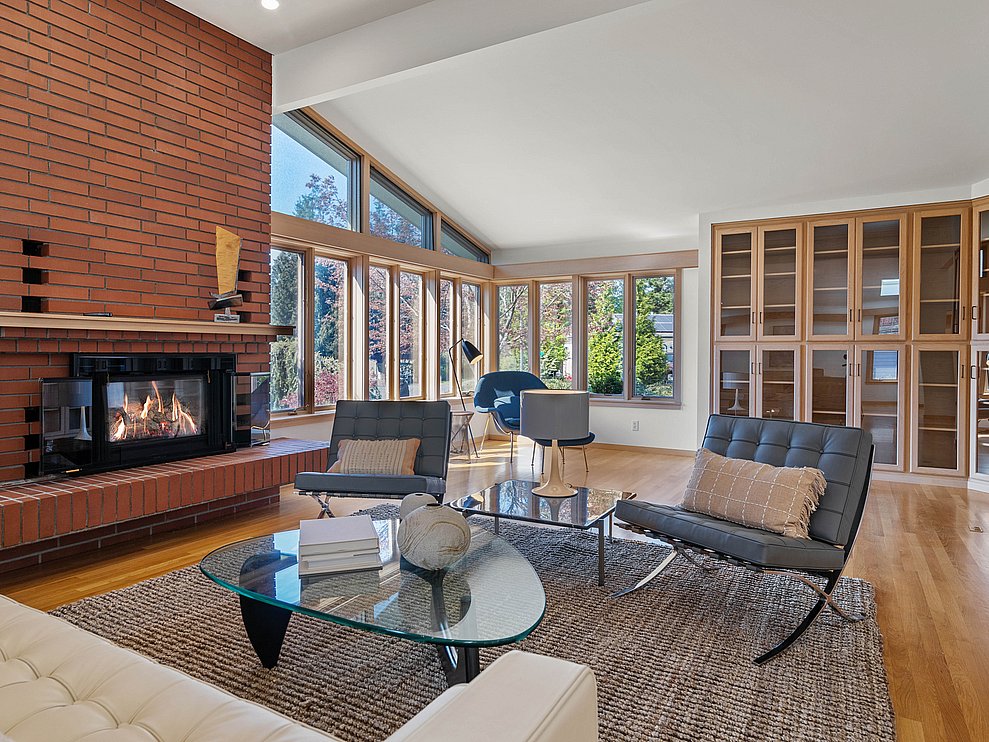
The Story Behind Mid-Century Modern Furniture
The rise of mid-century modern furniture began after World War II, roughly between the mid-1940s and late 1960s. Designers wanted furniture that was practical, affordable, and suitable for modern lifestyles. Homes became smaller, families wanted open spaces, and furniture needed to be functional without sacrificing visual appeal.
One reason the style became successful was its focus on everyday living. Instead of oversized furniture with heavy decoration, designers introduced clean forms, natural materials, and efficient construction methods. This approach allowed manufacturers to produce attractive furniture at larger scales while maintaining excellent quality.
Today, the popularity of mid-century modern furniture continues to grow. According to market research from Grand View Research, the global furniture market is expected to exceed $900 billion before the end of the decade, with modern and minimalist styles driving much of that demand. In the United States, vintage and reproduction mid-century pieces consistently rank among the most searched furniture categories.
From my own experience visiting furniture showrooms, I have noticed that customers often compare several styles before returning to mid-century modern furniture. The reason is simple. It blends effortlessly with contemporary, Scandinavian, industrial, and even traditional interiors, making it one of the most flexible design choices available.
The Designers Who Defined Mid-Century Modern Furniture
The success of mid-century modern furniture would not have been possible without visionary designers who challenged traditional furniture design. Their work continues to inspire manufacturers and interior designers around the world.
Charles and Ray Eames transformed furniture manufacturing by introducing molded plywood and fiberglass seating. Their famous lounge chair remains one of the most recognizable furniture designs ever created. Businesses throughout the United States, from creative agencies to executive offices, still choose Eames-inspired seating because it combines comfort with lasting style.
George Nelson introduced innovative storage systems, benches, and clocks that reflected the simplicity of modern living. His designs proved that furniture could solve everyday problems while maintaining visual balance. Many American furniture companies continue to reproduce his concepts because they remain practical decades later.
Hans Wegner earned worldwide recognition for his wooden chair designs, including the Wishbone Chair. His work highlighted exceptional craftsmanship while embracing simple forms. Although his designs originated in Denmark, they became highly influential in the American furniture industry and remain popular among homeowners looking for premium mid-century modern furniture.
Another influential designer was Florence Knoll, whose office furniture transformed commercial interiors across the United States. Companies embraced her practical approach because it created productive workplaces without unnecessary decoration. Even today, many corporate offices borrow ideas from her designs when selecting desks, seating, and collaborative spaces.
Understanding these designers helps buyers appreciate the value behind authentic mid-century modern furniture. Their creations were not simply attractive objects; they solved real problems while setting new standards for quality, functionality, and timeless design.
Signature Materials That Make Mid-Century Modern Furniture Stand Out
One defining feature of mid-century modern furniture is its careful selection of materials. Designers believed that each material should enhance both function and appearance. Instead of hiding natural textures, they celebrated them, allowing wood grain, leather, and metal finishes to become part of the overall design.
Solid walnut became one of the most recognizable materials because of its rich color and durability. Teak also gained popularity thanks to its strength and beautiful grain patterns. These hardwoods continue to dominate premium collections and are commonly found in authentic vintage pieces sold across the United States.
Manufacturers also embraced molded plywood, fiberglass, tempered glass, chrome, and stainless steel. These materials allowed designers to create lightweight yet durable furniture with flowing shapes that had never been possible before. Today, many companies continue using these combinations when producing modern collections inspired by mid-century modern furniture.
The same principles apply to mid-century dining furniture where wooden dining tables are often paired with molded chairs, upholstered seating, or sleek metal legs. This combination creates dining spaces that feel open, practical, and welcoming without appearing cluttered.
Iconic Silhouettes That Define Mid-Century Modern Furniture
One of the easiest ways to recognize mid-century modern furniture is by its distinctive silhouette. Unlike traditional furniture that often features ornate carvings and heavy details, this style focuses on clean lines, balanced proportions, and functionality. Every curve, angle, and edge serves a purpose, making each piece visually appealing without unnecessary decoration.
Tapered legs are one of the most recognizable characteristics of mid-century modern furniture. Sofas, coffee tables, sideboards, and chairs often feature slim wooden legs that create an open and airy appearance. This simple detail makes rooms feel larger while allowing light to flow beneath the furniture, giving interiors a more spacious look.
Another defining feature is the use of organic curves. Designers blended straight lines with soft, rounded edges to create furniture that feels comfortable and inviting. Lounge chairs, armchairs, and dining chairs often feature curved backs that provide ergonomic support while maintaining a clean and elegant profile.
Low-profile sofas and storage cabinets are equally important elements of mid-century modern furniture. Their horizontal orientation creates a sense of openness, making them ideal for modern homes with open floor plans. These timeless silhouettes continue to inspire furniture manufacturers across the United States because they combine comfort with practical everyday use.
The Role of Mid-Century Dining Furniture
The dining room became an important part of family life during the mid-century era, leading designers to rethink how dining spaces should function. Instead of oversized dining sets, they introduced mid-century dining furniture that emphasized flexibility, comfort, and efficient use of space.
Many dining tables featured rectangular or oval tops with gently tapered legs, allowing families to move comfortably around the room. Chairs were designed with molded seats and supportive backs, making long meals and conversations more enjoyable. This approach remains popular today because it balances style with everyday practicality.
Modern furniture retailers in the United States continue to report strong demand for mid-century dining furniture, especially among first-time homeowners and apartment dwellers. Its ability to fit both compact and spacious dining rooms makes it a practical investment that rarely goes out of style.
How to Identify Quality Mid-Century Modern Furniture
Buying mid-century modern furniture can feel overwhelming because the market includes authentic vintage pieces, licensed reproductions, and inexpensive imitations. Understanding what separates quality furniture from lower-quality alternatives helps buyers make smarter purchasing decisions.
The first thing to examine is craftsmanship. Authentic or well-made mid-century modern furniture typically uses solid hardwoods such as walnut, teak, or oak instead of particleboard covered with veneers. Drawers should slide smoothly, joints should feel sturdy, and surfaces should display natural wood grain rather than printed patterns.
Construction methods also reveal quality. Traditional joinery techniques such as dovetail joints, mortise-and-tenon construction, and reinforced corner blocks indicate careful manufacturing. While modern production methods have evolved, reputable furniture brands still prioritize structural integrity over quick assembly.
Another important factor is comfort. Although mid-century modern furniture is known for its clean appearance, it was designed for everyday living. Sofas should provide proper back support, chairs should feel stable, and dining furniture should encourage comfortable seating during extended meals.
I have personally noticed that investing slightly more in well-built furniture often saves money in the long run. Quality pieces retain their appearance for years, while lower-cost alternatives frequently require replacement after only a few seasons of regular use.
Real-World Examples of Mid-Century Modern Furniture in the USA
The popularity of mid-century modern furniture extends far beyond residential homes. Across the United States, businesses, hotels, restaurants, and creative workspaces continue to embrace this timeless style because it creates welcoming environments while reflecting professionalism and simplicity.
A well-known example is the Ace Hotel brand, which incorporates vintage-inspired mid-century modern furniture into many of its interiors. Wooden lounge chairs, minimalist sofas, and classic lighting fixtures create inviting spaces that appeal to travelers seeking comfort with character. This design approach has helped establish a recognizable identity across multiple locations.
Technology companies have also adopted elements of mid-century modern furniture in their offices. Open workspaces often feature walnut conference tables, ergonomic lounge seating, and modular storage systems inspired by classic mid-century principles. These environments encourage collaboration while maintaining a clean and organized appearance.
Conclusion
According to the American Society of Interior Designers (ASID), thoughtfully designed workplaces can improve employee satisfaction and productivity. Businesses increasingly recognize that timeless furniture is not only visually attractive but also contributes to a more comfortable and efficient work environment.
Another notable example is the continued popularity of Herman Miller’s licensed reproductions of classic mid-century designs. Their products remain widely used in corporate offices, universities, and design studios throughout the United States, demonstrating how enduring mid-century modern furniture continues to influence commercial interiors.